Orthodontic care that looks at how your teeth fit, how your jaw develops, and how everything works together over time.
Orthodontics is often thought of as a cosmetic treatment, but it plays a bigger role than that.
The way your teeth line up affects how you bite, how your jaw functions, and how your teeth wear over time. In some cases, it can also connect to how you breathe and how your face develops, especially in younger patients.
We look at all of that together so you are not just improving how things look, but how they function day to day.
When it comes to orthodontics, timing can change what is possible.
For children, early guidance can help shape how the jaw develops and create space for teeth to come in more naturally. For teens and adults, treatment focuses on improving alignment, function, and long-term stability based on where things stand now.
Starting at the right time often makes treatment more effective and more efficient.
— Dr. Danielle Stutsman
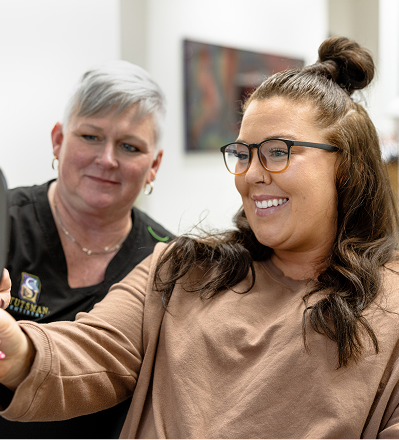
A more discreet option that uses custom trays to gradually move teeth while fitting into your daily routine.
Not every orthodontic case needs immediate treatment.
In some situations, the best approach is to monitor how things are developing and step in at the right time rather than moving too early.
We track changes over time, look at how your bite and jaw are developing, and help you decide when it makes sense to act.
That approach keeps treatment purposeful and avoids doing more than what is actually needed.
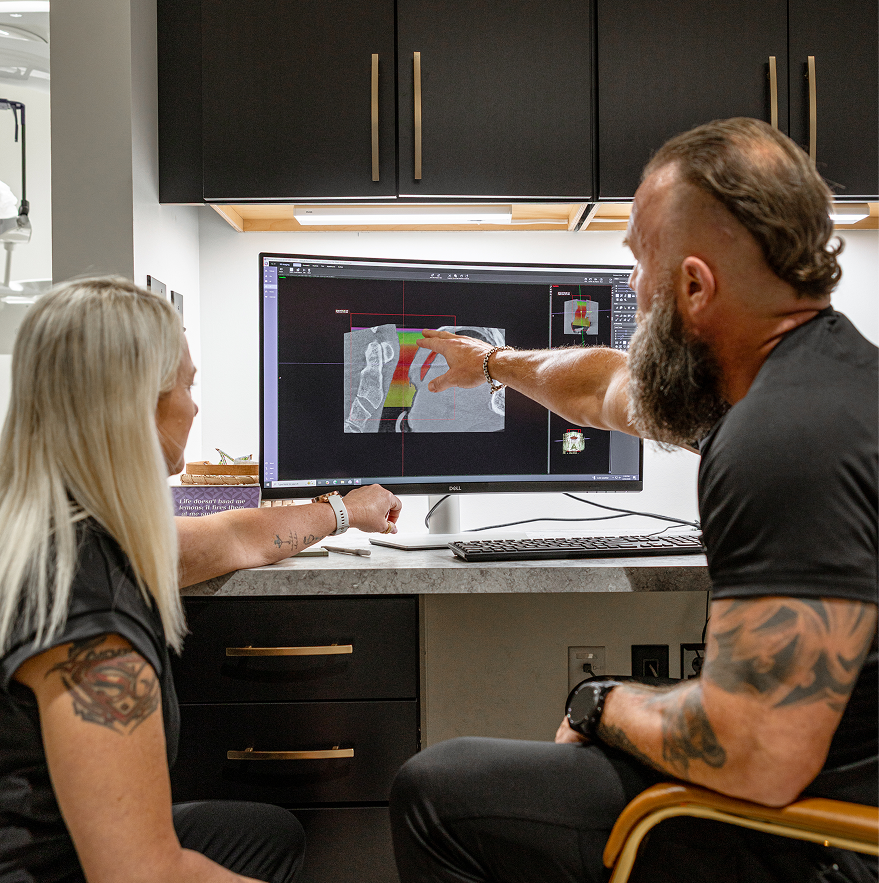
Orthodontic care starts with a close look at your teeth, bite, and overall structure.
From there, we walk you through what we are seeing, explain how everything fits together, and outline what your options look like based on your situation.
“We take the time to look at the full picture before recommending anything.”
— Dr. Chad Stutsmam
Once you have that information, you can decide what makes sense and when to move forward.

If you’re thinking about orthodontic care, the first step is taking a closer look. Schedule a visit and we will evaluate your alignment, bite, and development, then walk you through what options make sense for you or your child.